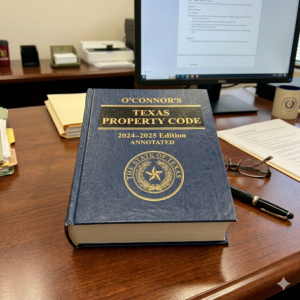
Navigating Texas Construction Subcontracts: 5 Clauses You Must Know

Navigating Commercial Construction Subcontracts in Texas: Key Clauses Every Subcontractor Should Know

As a Texas attorney Certified in Construction Law by the Texas Board of Legal Specialization, I spend a significant amount of my time reviewing, drafting, and litigating commercial construction subcontracts. Texas is experiencing a massive commercial construction boom, but a booming market doesn’t mean you can afford to sign on the dotted line without reading the fine print.

General contractors (GCs) draft subcontracts to protect their interests, effectively transferring as much risk down the chain as possible. If you are a subcontractor, understanding the language in your agreements is the difference between a profitable job and a company-ending lawsuit.

Here are the key clauses in a commercial subcontract you need to be acutely aware of under Texas law.

  1. Scope of Work and “Flow-Down” Clauses

The most fundamental part of your subcontract is what you are actually hired to do. A poorly defined Scope of Work (SOW) is an invitation for scope creep and unpaid change orders.

Furthermore, you must look out for flow-down (or pass-through) clauses. These clauses state that the subcontractor assumes toward the GC all the same obligations, rights, and duties that the GC assumes toward the Owner in the prime contract.

What to look for: If there is a Flow-Down Clause (and there will be), then be sure to review the Prime Contract. You cannot agree to terms you haven’t seen. Ensure your SOW specifically excludes items you are not bidding on, and clearly outline the process for approving change orders before the extra work begins.

  1. Contingent Payment Clauses: Pay-If-Paid vs. Pay-When-PaidNavigating Commercial Construction Subcontracts in Texas: Key Clauses Every Subcontractor Should Know

These clauses dictate when you get paid, and the distinction between the two is vital.

    • Pay-When-Paid: This acts as a timing mechanism. The GC gets a reasonable amount of time to pay you after receiving funds from the owner. Even if the owner never pays the GC, the GC is still eventually liable to pay you.
    • Pay-If-Paid: This is a risk-shifting mechanism. It states that the GC’s receipt of payment from the Owner is a condition precedent to paying you. If the owner goes bankrupt or refuses to pay, you do not get paid.

The Texas Nuance: Pay-if-Paid clauses are enforceable in Texas, but Texas Business & Commerce Code Chapter 56 provides some limited relief. The statute provides “safe harbors” for subcontractors to object to these clauses if the owner’s failure to pay is due to the owner’s insolvency, or if the subcontractor provides written notice objecting to the enforceability of the clause.

  1. Broad Form Indemnification

Indemnification clauses require you to defend and hold the GC and Owner harmless from liabilities, damages, and claims arising out of your work. GCs will often try to slip in “broad form” indemnity, where they ask you to indemnify them even if the damage was caused by the GC’s own negligence.

The Texas Nuance: Fortunately, Texas has a strong Anti-Indemnity Statute (Texas Insurance Code Chapter 151). For most commercial construction contracts, any provision attempting to require a subcontractor to indemnify a GC or Owner for their own negligence (whether sole or concurrent) is void and unenforceable. However, there are exceptions (such as claims for bodily injury to the subcontractor’s own employees), so the exact phrasing still requires careful legal review.

  1. Retainage Requirements

Retainage is the withholding of a portion of the contract price (typically 10%) until the project is substantially complete. The contract should clearly specify the retainage percentage and the conditions for its release.

The Texas Nuance: Texas Property Code Chapter 53 requires owners to withhold 10% statutory retainage. As a subcontractor, you must be incredibly diligent about your notice deadlines. To secure your mechanic’s lien rights on that retainage, you must send proper statutory notices, often before the retainage is even due to be paid. Do not let a contract clause override your statutory timeline to file a lien.

  1. Dispute Resolution, Venue, and Choice of Law

If a project goes south, how and where will the dispute be resolved?

    • Arbitration vs. Litigation: Subcontracts often mandate binding arbitration. Arbitration can be faster and more private, but it is also expensive and generally cannot be appealed.
    • Venue: Out-of-state GCs will often try to insert a clause requiring that any lawsuit or arbitration take place in their home state (e.g., New York or California) and under that state’s laws.

The Texas Nuance: If you are working on a project located in Texas, Texas Business & Commerce Code Chapter 272 is your best friend. It voids any provision in a construction contract that requires the contract to be subject to the laws of another state, or requires litigation/arbitration to occur in another state. If the dirt is in Texas, the dispute stays in Texas.

Protecting your bottom line starts before you ever mobilize to the site. Taking the time to negotiate these clauses upfront saves immense time, money, and stress on the back end.

A quick legal review now can save you from a company-ending lawsuit later. If you are unsure about the language in a subcontract you’ve just been handed, don’t risk it. Contact us today to speak with Mr. Jacob D. Thomas, a Texas attorney Certified in Construction Law by the Texas Board of Legal Specialization at Saunders | Walsh, to ensure your rights are protected before you sign on the dotted line.

Disclaimer: This blog post is for educational and informational purposes only and does not constitute legal advice. Every contract is unique. Reading a blog post does not create an attorney-client relationship. Always consult with a qualified, Board Certified construction attorney regarding your specific legal matters.


What Your Insurance Agent Needs to Know When a Living Trust Owns a Texas Series LLC

What Your Insurance Agent Really Needs to Know When a Living Trust Owns a Texas Series LLC

When a Living Trust Owns a Texas Series LLC:

What Your Insurance Agent Really Needs to Know


When you combine a living trust, a Texas series LLC, and multiple lines of business insurance, you create a structure that is great for asset protection but confusing for insurance underwriting. This post walks through the key issues that come up when an insurance agent calls to “understand the disregarded entity tax structure” and how you, as counsel or advisor, can be ready with clear, consistent answers.

  1. Who Really Owns and Controls the Business?

The first thing a business‑insurance agent wants to nail down is: who is the insured risk?

In a typical planning structure:

  • The revocable living trust is the sole member of the parent LLC.
  • That parent LLC establishes multiple series, each holding a specific asset pool or business line (for example, separate rental properties or operating ventures).
  • The trustee—often the grantor—is the manager of the LLC and its series.

From an insurance standpoint, the key is to make sure:

  • The parent LLC and the relevant series appear as named insureds or scheduled entities on the policy.
  • The trust and the individual trustee/grantor appear as additional insureds (or co‑named insureds where possible).

This alignment reduces the risk that a claim is denied because the “real party” with liability or ownership was never properly named on the policy.

  1. Disregarded Entities: Tax Fiction vs. Insurance Reality

For federal tax purposes, single‑member LLCs (including those owned by a grantor trust) are routinely treated as disregarded entities. In practice, that means:

  • Each series’ income flows through the trust and onto the grantor’s Form 1040.
  • The IRS looks through the LLC and trust and taxes the grantor directly.

Insurance carriers, however, do not underwrite tax fictions. They care about:

  • Which legal entity holds title to the property or employs people.
  • Where operations occur and who signs contracts and leases.
  • Whose financial statements (often the grantor’s return plus entity‑level books) reflect the risk they are insuring.

The smart move is to explain to the agent that the tax treatment doesn’t change who owns assets or runs the business; it simply affects how income is reported. Then offer:

  • EINs for each series and the parent LLC.
  • A short explanation of how the grantor trust and disregarded entities report on the individual return.

This lets underwriting connect the dots between entity‑level exposures and the individual’s tax return they’ll often see in underwriting.

  1. How Texas Series LLCs Affect Coverage Design

Texas series LLCs are popular for real estate and multi‑asset businesses because each series can hold its own assets and liabilities while sitting under a single umbrella LLC. For insurance, this raises several design questions:

  • Should each series be treated as a separate “location” under one master policy, or as separate insured entities?
  • Should there be one combined program (with clear scheduling of each series) or separate policies for each series?
  • How should limits and umbrellas be structured to respect internal liability segregation while still providing practical coverage?

A common, practical approach:

  • Use one coordinated program, with the parent LLC and each active series listed by name.
  • Clearly schedule properties and operations under the correct series on the declarations and schedules.
  • If certain series have meaningfully different risk profiles (e.g., high‑risk operations vs. passive real estate), consider separate policies or endorsements to avoid cross‑subsidization of risk.

The better you document which series owns what, the easier it is for the agent to avoid gaps.

  1. Trust Ownership: Why It Matters to the Carrier

Trust ownership introduces two issues carriers care about: control and continuity.

With a revocable living trust:

  • The grantor and the trust are economically the same person during the grantor’s life.
  • However, the trust instrument governs what happens on incapacity or death—when a successor trustee steps in, and how business interests transition.

Insurance implications include:

  • Ensuring the trust itself is recognized on the policy, so coverage continues seamlessly even if the grantor dies or becomes incapacitated.
  • Ensuring the trustee (and any successor trustee) is recognized as having authority to act for the insured entities.
  • Clarifying that any change in trusteeship or substantial amendment to the trust will trigger notice to the agent so the carrier can update the policy if needed.

When you proactively share a high‑level summary of the trust’s role—without revealing unnecessary private details—you reduce carrier anxiety about “mystery owners” behind the scenes.

  1. Business Income, Payroll, and “Who Is the Employer?”

When agents ask about “the disregarded entity tax structure,” they are often really asking about:

  • Whose income is at risk for business‑income and extra‑expense coverage.
  • Who is the employer for workers’ comp, employment‑practices, and related coverages.

In a common arrangement:

  • The payroll for each line of business runs through the specific series’ EIN, even though the series is disregarded for income‑tax purposes.
  • The books and records track revenue, expenses, and payroll by series, then roll up through the parent LLC and ultimately to the grantor’s return.

For underwriting clarity, it helps to be ready with:

  • Current payroll reports by entity/series.
  • A brief explanation of where business‑income coverage should respond (e.g., at the series level, based on its own revenue).
  • Confirmation that the tax “flow‑through” does not change which entity is responsible for payroll taxes and employment obligations.

This makes it easier to size limits and price the policy correctly.

  1. Documentation and Communication Best Practices

To make these calls productive and avoid follow‑up confusion, it’s worth investing in a simple documentation package:

  • A one‑page structure diagram showing the trust, the parent LLC, and each series with a short label (e.g., “Series A – Elm St. Rental,” “Series B – Equipment Leasing”).
  • A brief written summary (1–2 paragraphs) explaining:
    • That the trust is a revocable grantor trust.
    • That each series is a single‑member LLC owned by the trust and treated as a disregarded entity.
    • That all income flows to the grantor’s Form 1040, but assets and operations are legally held at the entity/series level.
  • A list of requested policy positions, such as:
    • Parent LLC and each series as named insureds or scheduled entities.
    • Trust and trustee as additional insureds.
    • Agreement to notify the agent on changes to trustees, series, or major operations.

Having this ready before the call lets you answer the agent’s questions consistently and gives the underwriter something concrete to work from.

  1. How to Talk About “Disregarded” Without Losing the Agent

Finally, remember that “disregarded entity” is tax jargon. In conversations with agents:

  • Emphasize that for legal liability, each LLC series still exists and owns assets or runs operations.
  • Clarify that for tax reporting, those entities are ignored and everything flows to the individual grantor’s return.
  • Tie every explanation back to what the carrier cares about: who owns the property, who operates the business, who employs people, and whose financials demonstrate the risk.

If you keep the focus on legal ownership, operations, and claims exposure, the tax‑classification piece becomes a simple background detail rather than a point of confusion.

Michael A. Weaver


Prepare Your Documentation Package Today

Don’t wait for the call from the underwriter. Proactively assemble the documentation package described in Section 6—including your structure diagram, high-level trust summary, and desired policy positions—to ensure a smooth, confusion-free underwriting process and avoid gaps in coverage. Need help? Contact Mr. Mike Weaver, Partner at Saunders | Walsh, today.  

Estate Planning in Texas by the Numbers in 2026

High‑net‑worth Texans with more than 10 million dollars in assets often need more than a simple will—using a carefully drafted living trust can be the most effective way to protect wealth, control distributions, and streamline the transition to the next generation.

Why High‑Net‑Worth Texans Need More Than a Will

When your net worth exceeds 10 million dollars, your estate raises issues that a will alone is not designed to handle efficiently. A will must go through probate, which is public, can be time‑consuming, and can expose complex asset structures, business interests, and family dynamics to court oversight and potential disputes.

A living trust, by contrast, allows you to organize and manage significant assets during life, plan for incapacity, and transfer wealth at death with far less court involvement. It also provides a structure for sophisticated tax planning and family governance that is difficult to build into a will alone.

What a Living Trust Does for an 8‑Figure Estate

A revocable living trust is a legal arrangement where you (as grantor) transfer assets into a trust you typically control as trustee during your lifetime. You can amend or revoke it while you are alive and competent, and you name successor trustees and beneficiaries to step in at incapacity or death.

For estates over 10 million dollars, a living trust can:

  • Consolidate control of diverse assets. Ranchland, closely held business interests, investment portfolios, mineral interests, and out‑of‑state real estate can be managed under one coordinated structure.
  • Provide a clear succession path. Successor trustees can step in immediately upon incapacity or death, avoiding delays while the court appoints a personal representative.
  • Keep your affairs private. Unlike a will admitted to probate, a trust generally remains a private document, which is important when significant wealth or business information is involved.
  • Allow for phased and conditional distributions. You can direct when and how beneficiaries receive funds—age‑based steps, incentive provisions, education milestones, or protections against divorce and creditors.

Using Living Trusts to Address Texas‑Specific Issues

Texas community property rules and relatively streamlined probate can give a false sense of security, especially to affluent families. For larger estates, those rules do not prevent disputes or complexity; they simply define default outcomes if you do nothing.

A living trust lets you:

  • Coordinate community and separate property. You can divide and title assets so that each spouse’s share is clearly identified and then placed into separate or joint trusts designed to meet tax and family goals.
  • Avoid multiple probates. If you own real property in other states, placing those assets in your Texas‑centered trust can help avoid ancillary probate proceedings elsewhere.
  • Manage business continuity. Operating agreements, buy‑sell provisions, and your trust can be synchronized so the trustee has clear authority to vote interests, manage entities, and execute transition plans if you die or become incapacitated.

Advanced Planning Within a Trust‑Centered Structure

For clients above 10 million dollars in gross assets, the living trust often becomes the hub for additional advanced strategies. While the trust itself is typically revocable during your life, it can be drafted to:

  • Split into multiple sub‑trusts at the first spouse’s death. These may include a credit‑shelter or bypass trust to lock in use of that spouse’s federal exemption, and a marital trust to provide for the survivor while still protecting ultimate beneficiaries.
  • Coordinate with irrevocable trusts. You may complement your revocable trust with irrevocable life insurance trusts, spousal lifetime access trusts, or intentionally defective grantor trusts designed to remove appreciation from your taxable estate.
  • Implement generation‑skipping strategies. Proper trust design can preserve wealth for children and grandchildren while providing creditor and divorce protection and leveraging available transfer‑tax exemptions.

The result is a flexible “trust system” that can adapt as tax laws and family circumstances change, while keeping overall control anchored in a single, coherent structure.

How an Estate Planning Attorney Adds Value

Designing and funding a living trust for an 8‑figure estate is not a form exercise—it is a strategic project that should be led by an experienced Texas estate planning attorney. Your attorney can:

  • Inventory and analyze your estate. This includes entity structures, community vs. separate property, qualified accounts, insurance, and existing agreements to determine what should be retitled into the trust and what should be coordinated by beneficiary designation.
  • Draft a trust that fits your family. Provisions can address second marriages, children from prior relationships, special‑needs beneficiaries, business succession, and charitable goals, all tailored to your specific risk tolerance and values.
  • Implement and maintain funding. The best trust in the world fails if assets are not properly titled to it; your attorney and advisory team help ensure deeds, account ownership, and assignments actually move your estate under the trust umbrella.
  • Adjust the plan over time. As markets move, laws change, or your net worth grows, your attorney can help amend the trust or layer on additional irrevocable strategies, keeping your plan aligned with current law and your objectives.

For Texas families with estates over 10 million dollars, a living‑trust‑centered plan offers privacy, control, tax efficiency, and a smoother transition for the next generation. If your balance sheet is approaching or exceeding eight figures, now is the time to sit down with a Texas estate planning attorney and build a trust structure that protects your legacy and the people who depend on it.

Michael A. Weaver

If you live in Texas and have family, a home, a ranch, or a business, now is an ideal time to review your existing plan—or to put one in place for the first time—while today’s favorable federal exemption amounts are still available. An experienced Texas estate planning attorney, like Mr. Michael Weaver at Saunders | Walsh, can help you protect what you’ve built and make things easier for the people you love most. Call us today to schedule your consultation with Mr. Weaver.


Annual Estate Planning Checkup

Best Practices Every Texas Family Should Review in 2026

As a new year begins, Texans need to pause and make sure their estate planning reflects their current lives, families, and financial picture. A well‑crafted plan helps ensure that assets pass according to your wishes, medical decisions are honored, and loved ones are supported when it matters most.

1. Review Your Will and Any Trusts: Your will and any trusts are the cornerstone of your estate plan, and they should evolve as your life changes. Major events such as marriage, divorce, the birth or adoption of a child, a death in the family, or a significant change in assets often require updates.

When reviewing these documents, consider:

    • Whether beneficiaries are current and accurately named.
    • Whether specific gifts are still appropriate given your current assets and relationships.
    • Whether your chosen executor or trustee is still willing, able, and the best person for the role.

A periodic review with your attorney helps prevent unintended results and avoids confusion for your family later.


2. Update Powers of Attorney and Healthcare Directives: Financial and medical powers of attorney ensure someone you trust can act on your behalf if you become incapacitated. Without these documents, loved ones may be forced into court processes to manage your finances or make healthcare decisions for you.

Key questions to ask each year:

    • Are your named financial and medical agents still the right people to serve.
    • Do your healthcare directives clearly state your wishes regarding life‑sustaining treatment, organ donation, and end‑of‑life care.
    • Have you changed doctors or medical providers, and do your agents know how to contact them.

Refreshing these documents periodically helps your agents act confidently in line with your current values and preferences.


3. Revisit Life Insurance Coverage: Life insurance often plays a central role in providing financial stability for a surviving spouse, children, or other dependents. As your family and financial responsibilities grow or change, your coverage amount and structure may need to be adjusted.

During your review, consider:

    • Whether coverage is still sufficient given your income, debts, and long‑term goals.
    • Whether the policy beneficiaries match your estate planning documents.
    • Whether riders or supplemental benefits still fit your situation.

Coordinating beneficiary designations with your will or trust helps avoid conflicting instructions and unintended results.


4. Check Beneficiary Designations on Accounts: Many important assets pass by beneficiary designation rather than under your will, including retirement accounts, life insurance, and many financial accounts. If these designations are outdated, your assets may bypass your estate plan and go to the wrong person.

Each year, review:

    • Retirement accounts such as 401(k)s, IRAs, and pensions.
    • Bank, brokerage, and investment accounts with pay‑on‑death or transfer‑on‑death designations.
    • Any annuities or similar contracts with named beneficiaries.

Confirm that these designations are consistent with your overall estate planning strategy and current family situation.


5. Safeguard and Manage Precious Metals, Fine Art, and Gemstones: For clients with collections of precious metals, fine art, or gemstones, these assets deserve special attention in your estate plan. These items often hold both significant monetary value and deep personal meaning, and they require specific planning to ensure they are preserved, properly valued, and transferred according to your wishes.

Precious Metals (Gold, Silver, Platinum)

Inventory and Documentation: Maintain a detailed inventory of all precious metal holdings, including:

    • Type of metal and purity (for example, 14K gold, 999 silver).
    • Weight and quantity of each item.
    • Purchase date, price, and source of acquisition.
    • Current estimated value and date of valuation.
    • Location where items are stored.

Appraisal and Valuation: Have your precious metals professionally appraised by a qualified numismatist or precious metals dealer, and update appraisals every three to five years or after significant market shifts. Include copies of appraisals in your estate planning notebook so your executor and beneficiaries understand the value of what they are inheriting.

Storage and Security: Store precious metals in a secure location such as a safe deposit box, home safe, or insured depository vault. Document the location and provide your executor or trustee with access instructions, and review insurance coverage to confirm that these assets are adequately protected against loss or theft.

Tax Considerations: Precious metals are treated as collectibles for federal income tax purposes and may be subject to higher capital gains tax rates upon sale, so discuss with your tax advisor how a step‑up in basis at death and potential estate taxes should be handled in your plan.

Fine Art and Collectibles

Professional Appraisal and Documentation: Fine art should be appraised by a qualified art appraiser who specializes in your type of collection. A good appraisal will include a detailed description, photographs, provenance, condition, and a current fair market value with the valuation date, and should be updated periodically or when markets move significantly.

Insurance and Protection: Collections often need specialized fine art insurance that goes beyond standard homeowner’s coverage. Make sure the storage environment, security measures, and transit practices meet your insurer’s requirements to preserve both physical condition and coverage.

Succession Planning for Collections: Decide whether you want your collection to stay together, be divided among family members, donated, or sold, and identify which beneficiaries have the interest and capacity to care for specific pieces. Clear written instructions can reduce the risk of conflict and help preserve both value and family harmony.

Tax Planning and Charitable Contributions: Donating selected works to museums or charities can yield meaningful income tax deductions and may help reduce estate tax exposure, especially for high‑value collections. Coordinate these gifts with your overall estate, income tax, and philanthropic goals.

Gemstones and Jewelry

Professional Gemological Certification: Have significant gemstones certified by a reputable gemological laboratory so that carat weight, color, clarity, cut, and any treatments are clearly documented. Certification provides objective support for valuation, insurance, and tax reporting.

Comprehensive Inventory: Create a detailed inventory of jewelry and gemstone holdings that includes descriptions, photos, purchase dates and prices, current appraised values, locations, and insurance details. Keeping this inventory with your estate planning records helps your executor quickly understand what exists and how it should be handled.

Storage, Security, and Insurance: Store high‑value pieces in secure locations such as safe deposit boxes or high‑quality home safes and ensure that insurance coverage is sufficient for loss, theft, and damage. Provide your executor with clear instructions about where items are kept and how they can be accessed.

Family Communications and Heirlooms: If certain pieces are family heirlooms, consider documenting who should receive which item and why. This can be done through specific bequests in your will or a separate memorandum referenced by your estate plan to reduce misunderstandings and disputes.

Liquidity and Estate Administration: Because metals, art, and gemstones may take time to sell and can be volatile in value, discuss with your attorney how your estate will generate cash to pay taxes, debts, and expenses without forcing a rushed sale of prized items. Life insurance, cash reserves, or other liquid assets can provide breathing room for a thoughtful sales strategy.

Organize and Safeguard Important Documents: Even the most carefully drafted documents cannot help if no one can find them. Organizing and safeguarding your estate planning records makes it easier for your loved ones to act quickly and confidently in a crisis.

Consider:

    • Keeping originals in a fireproof safe, secure digital vault, or other protected location.
    • Ensuring your executor, trustee, or agents know where documents are stored and how to access them.
    • Maintaining an updated list of key documents, accounts, professional advisors, and asset inventories, including collections and appraisals.

6. Consider Tax and Lifetime Gifting Strategies: While Texas does not impose a state estate tax, federal estate tax rules may affect larger estates, especially those holding concentrated collections. Regular reviews with your advisors can keep your plan tax‑efficient.

Topics to discuss with your attorney and tax advisor include:

    • Whether your projected estate size could trigger federal estate tax.
    • Use of lifetime gifts to reduce the size of your taxable estate, including gifts of art or gemstones to family members or charities.
    • Coordination of charitable gifts with your overall planning.
    • Tax implications of passing collectible assets at death versus selling or gifting them during lifetime.

7. Do Not Overlook Digital Assets: Many people now hold meaningful value—sentimental or financial—in digital assets, such as online investment platforms, cryptocurrency wallets, and cloud‑stored records that may relate to your collections. Make sure someone you trust can access these accounts, passwords, seed phrases, hot and cold wallets and records when needed.

8. Address Special Family Circumstances: Families with minor children, beneficiaries with special needs, blended families, or beneficiaries who struggle with finances often require additional planning tools, such as special needs trusts or spendthrift protections. Your collections may need special handling in these contexts as well.

9. Schedule a Regular Estate Plan Review: Estate planning is not a one‑time event; it should grow as your life, assets, and goals evolve. Many Texans benefit from a full review every few years or after major life or financial changes, including significant changes in the value or composition of collections.

Michael A. Weaver


It’s essential to consult with an experienced estate planning attorney to determine the best approach for your specific circumstances and ensure your estate planning documents are properly prepared and legally sound. Mr. Michael A. Weaver, Partner at Saunders | Walsh, specializes in estate planning law and looks forward to working with your family to protect your legacy assets. Call us today to schedule your consultation with Mr. Weaver.


Texas Estate Planning for 2026

The Texas Estate Plan
How to Cut Taxes, End Heirship Disputes, and Avoid Probate in 2026

Why Estate Planning Matters in Texas

Without the right documents and strategies, your estate may face delays in probate, higher federal estate taxes, and disputes between heirs.Attorney Mike Weaver at Saunders | Walsh can help with your estate planning needs

Unlike some states, Texas does not impose its own estate or inheritance tax, so most tax exposure for larger estates in 2026 comes from the federal system. Careful planning lets you use the updated 2026 federal exemptions, trusts, and lifetime gifts to keep more of your estate in the family instead of losing it to tax, probate, or litigation costs.

2026 Estate Tax Numbers Texans Need to Know

As of 2026, the federal estate and gift tax exemption is $15,000,000 per person, or $30,000,000 for a married couple that uses portability and coordinated planning. This exemption applies to transfers made during life or at death, and amounts above the exemption are still subject to federal estate or gift tax at rates up to 40%.

The federal annual gift tax exclusion for 2026 remains $19,000 per recipient, or $38,000 per recipient for a married couple that elects gift‑splitting. Gifts within the annual exclusion do not use any of your $15,000,000-lifetime exemption or require filing a gift tax return, which makes them a simple way to move value out of your future taxable estate over time.

Even if your projected estate is under these federal thresholds, planning still matters because poor asset titling, outdated beneficiary designations, or lack of incapacity documents can cause costly problems for families. Key tax drivers include the total value of real estate, investments, closely held business interests, and large lifetime gifts that have already used part of the lifetime exemption.

Using Trusts to Minimize 2026 Taxes and Protect Assets

Trusts remain one of the most flexible tools for Texans who want to reduce taxable estates, protect beneficiaries, and avoid probate under the 2026 rules. By placing assets into carefully designed trusts, you can remove future appreciation from your taxable estate, shield property from certain creditors, and set guardrails for how and when heirs receive their inheritance.

Common 2026 trust strategies include:

    • Revocable Living Trusts to keep assets out of court‑supervised probate, provide privacy, and make incapacity administration smoother while you retain control during life.
    • Irrevocable Trusts to remove assets (and future growth) from your taxable estate and add creditor and divorce protection for beneficiaries.
    • Charitable Remainder Trusts (CRTs) allow you to support favored charities, keep an income stream, and reduce the taxable value of your estate.
    • Grantor Retained Annuity Trusts (GRATs) that shift appreciating assets to the next generation at a reduced transfer‑tax cost if the assets outperform the assumed IRS rate.

With the 2026 exemption at $15,000,000 per person and indexed going forward, high‑net‑worth families can still use these techniques to “lock in” today’s high exemption while shifting additional growth to younger generations.

Strategic Gifting Under the 2026 Rules

Lifetime gifting remains an efficient way to shrink a taxable estate while helping family members when they actually need the funds. For 2026, you can give up to $19,000 per recipient per year (or $38,000 per recipient for a married couple that splits gifts) without using any of your lifetime exemption.

Larger gifts above the annual amount simply reduce your remaining $15,000,000 lifetime exemption, which can still be advantageous if you expect your estate to grow or want to take advantage of today’s historically high exemption before future legislative changes. Coordinated gifts to irrevocable trusts, 529 plans, or family entities can magnify these benefits while keeping structure and protection around the wealth.

Life Insurance, Asset Protection, and 2026 Planning

In 2026, life insurance continues to play a key role by creating liquidity to pay estate taxes, debts, and administration expenses, so real estate or business interests do not have to be sold in a rush. When held in an irrevocable life insurance trust (ILIT), the policy proceeds can stay outside the taxable estate while still being available to support heirs or equalize inheritances.

Beyond tax planning, Texans should also think about asset‑protection structures that work hand‑in‑hand with estate planning, such as LLCs and family limited partnerships for business and investment property, homestead protections for the primary residence, and spendthrift‑style trusts for beneficiaries who may need guardrails. Properly integrated, these tools can reduce risk from lawsuits, creditors, and divorce while preserving flexibility for legitimate business and family needs.

Avoiding Probate and Getting the Right Documents in Place

Keeping loved ones out of a drawn‑out probate process remains a core goal for many Texas families in 2026. That often means combining a revocable living trust with updated beneficiary designations, payable‑on‑death and transfer‑on‑death instructions for financial accounts, and transfer‑on‑death deeds for real property.

Every comprehensive Texas estate plan should still include:

    • A carefully drafted pour-over will that coordinates with any trusts and names guardians for minor and special needs children.
    • A statutory durable financial power of attorney and medical power of attorney so someone you trust can act if you are incapacitated.
    • A directive to physicians (living will) and HIPAA releases so medical providers can communicate with decision‑makers.

When these documents work together with 2026‑appropriate trust strategies, gifting, and insurance planning, families are far better positioned to minimize taxes and maximize what ultimately reaches the next generation under the new exemption regime.

Michael A. Weaver


It’s essential to consult with an experienced estate planning attorney to determine the best approach for your specific circumstances and ensure your estate planning documents are properly prepared and legally sound. Mr. Michael A. Weaver, Partner at Saunders | Walsh, specializes in estate planning law and looks forward to working with your family to protect your legacy assets. Call us today to schedule your consultation with Mr. Weaver.